
Spooked By AI Threats? Here’s What’s Actually Worth Worrying About
AI advancements enhance business but also fuel sophisticated cyber threats like realistic deepfakes in video calls and AI-crafted phishing emails. Recognize warning signs in virtual meetings and employ multifactor authentication to protect your organization from evolving cyberattacks.
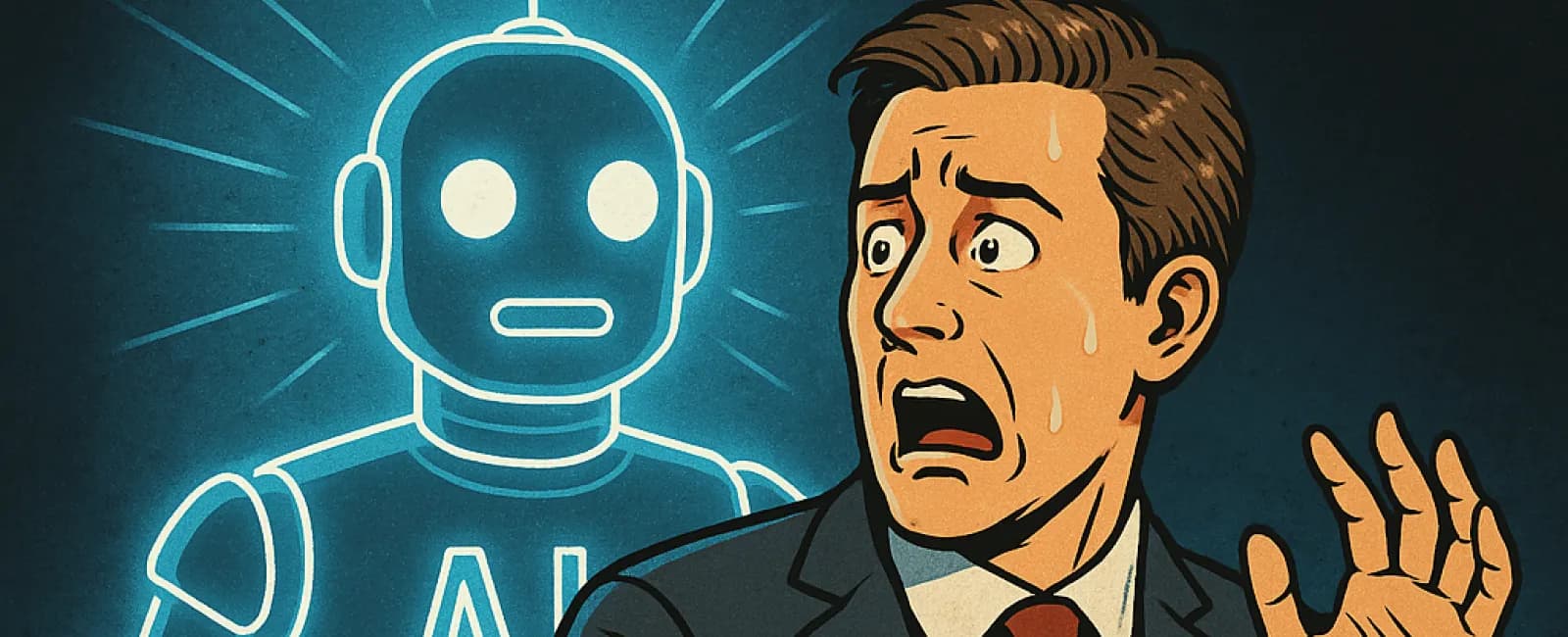
AI technology is evolving at lightning speed, revolutionizing how businesses operate. But this progress also empowers cybercriminals with equally advanced AI tools, creating new threats we must confront head-on.
Beware of AI Doppelgängers in Your Video Meetings - The Rise of Deepfakes
Deepfakes powered by AI are now disturbingly realistic. Cyber attackers exploit this technology to launch sophisticated social engineering schemes targeting companies.
For instance, a cybersecurity firm recently uncovered a case where an employee in a cryptocurrency organization joined a Zoom call, only to be confronted by convincing deepfakes of top executives. These fakes instructed the employee to install a Zoom extension granting microphone access, facilitating a covert North Korean breach.
Such incidents complicate traditional verification methods. Watch out for warning signs like unnatural facial movements, unusually long pauses, or inconsistent lighting during video chats.
Phishing Emails Evolve with AI - Stay Alert to Invisible Threats
Phishing has long plagued organizations, but AI-crafted emails now make spotting scams tougher than ever. Gone are the glaring grammar mistakes; these messages are meticulously polished.
Attackers also incorporate AI-driven translation tools to adapt phishing campaigns across languages, dramatically increasing their reach.
Nonetheless, proven safeguards remain effective. Implementing multifactor authentication (MFA) significantly decreases attacker success, as they're unlikely to control your secondary devices. Ongoing security training empowers employees to detect subtle red flags—like urgent tone or odd requests.
Malicious "AI Tools" - Download at Your Own Risk
Cybercriminals exploit the AI craze by distributing fake or trojanized AI software designed to inject malware under the guise of cutting-edge tools. They often seize trending events or seasonal shopping sprees like Black Friday to craft convincing traps.
For example, a TikTok user demonstrated "cracked software" installation methods for apps like ChatGPT, leveraging PowerShell commands. However, this campaign was actually distributing harmful malware, later exposed by cybersecurity researchers.
To shield your business, always consult your Managed Service Provider (MSP) before experimenting with new AI applications. Regular security awareness training is essential to recognize and avoid such deceptive tools.
Not sure where your business stands on this?
We’ll walk through how you handle it today and tell you straight whether it needs attention.
Schedule a Call